Frequently asked questions about postage stamps answered

Frequently asked questions about postage stamps answered
The post office issues postage stamps as evidence for the pre-payment of postal services, that is, the cost involved in moving, insuring, or registering mail. In the country, the first-ever postage stamp was offered for sale in 1847. Over time, these stamps have evolved into a miniature gateway to the world, sharing glimpses of history, geography, biography, art, and culture. Let’s dive deeper into the world of postage stamps. Where do I buy stamps from? Postage stamps are important when sending physical mail. Currently, a stamp costs 60 cents to send a one-ounce standard-sized envelope via the United States Postal Services (USPS). Customers can purchase forever stamps (available in booklets of 20) to use in the future, regardless of price fluctuations. Stamps can be purchased from: Your local post office If you want to get your hands on some regular stamps quickly, use the electronic self-service kiosks at your local post office. However, if you are looking for specialty stamps, you may need to join the queue and wait for your turn to buy some. USPS.com The USPS website offers a wide variety of stamps, celebrating festive occasions, themed options, and notable personalities. You can order stamps of your preference online.
7 household products that are harmful to lung health

7 household products that are harmful to lung health
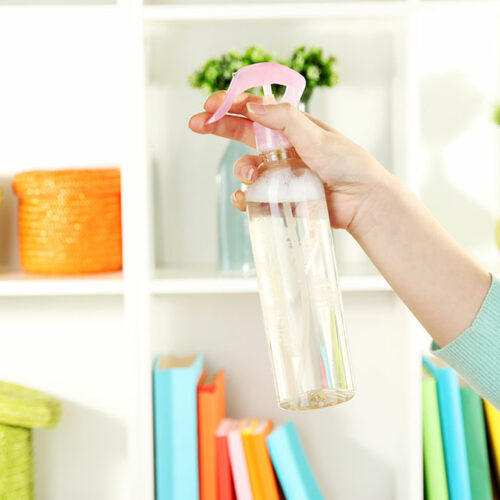
Take a moment to ponder the air you breathe in your own home. It is a startling realization that certain household products, innocently resting on shelves and hiding in cabinets, can quietly wreak havoc on your respiratory system. From air fresheners and candles to cleaning sprays, these everyday items compromise the air you rely on. It is time to prioritize your respiratory well-being and create a vibrant living environment for you and your family. Here are a few household products that are harmful to lung health: Insecticides and pesticides Using chemicals that help combat pests can unintentionally compromise your respiratory health. Chemical compounds found in insecticides and pesticides are often formed from harmful ingredients such as pyrethroids and organophosphates. These can cause respiratory irritation and systemic toxicity when inhaled repeatedly. It is advisable to opt for natural pest control methods or consult with professionals who can provide safer alternatives. Cleaning products Our brain associates the subtle smell of cleaning products as a sign of a clean and hygienic atmosphere. When we smell a touch of rose, lemon, or other fragrances, we think the place is as clean as possible. However, many household cleaning products contain chemicals that can harm our lungs.

Top 14 questions to ask an oncologist

Top 14 questions to ask an oncologist
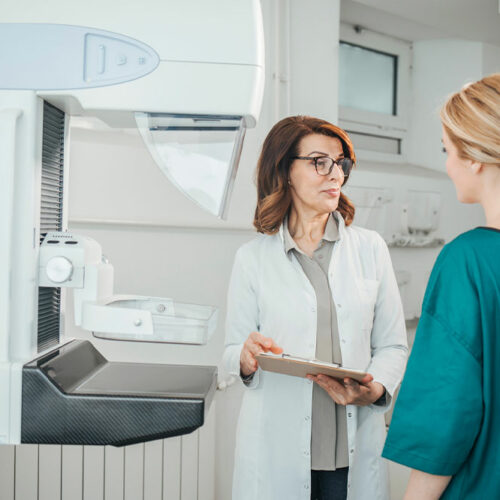
Oncologists are highly trained medical professionals specializing in diagnosing, treating, and managing various types of cancers. They work closely with patients throughout their recovery journey, addressing various aspects of cancer care, from symptom identification to developing personalized treatment plans. If one is referred to an oncologist, asking questions about the condition is important, as dealing with cancer can be difficult. So, here are some common questions to ask the specialist during the initial visits. Who are oncologists, and what do they treat? Oncologists play a crucial role in cancer treatment. They recommend and supervise various treatments such as chemotherapy, immunotherapy, hormone therapy, radiation therapy, or targeted therapy. They also monitor and adjust their effectiveness according to the patient’s response. Different types of oncologists, such as surgical, pediatric, and neurological oncologists, work with other healthcare professionals like nurses, pathologists, psychologists, nutritionists, and radiologists to provide comprehensive care to the patient. Additionally, they offer palliative care, including pain management, and address the patient’s emotional and psychological needs. This holistic approach ensures patients receive the best support and treatment throughout their cancer journey. When does one visit an oncologist? If someone shows signs of developing cancer, their primary healthcare provider may conduct diagnostic tests.

7 mistakes to avoid when doing household chores

7 mistakes to avoid when doing household chores
Efficiency, effectiveness, and a sense of accomplishment are the goals we strive for when tackling household chores. However, it can be easy to get stuck in common pitfalls that slow us down and make the tasks appear more overwhelming than necessary. From overlooking safety precautions to neglecting maintenance, numerous mistakes can derail our cleaning endeavors. By being aware of common pitfalls and avoiding them, we can make our household chores more manageable and enjoyable. Lack of planning One of the biggest mistakes people make when it comes to household chores is not having a plan. Going into chores without a clear idea of what needs to be done can lead to inefficiency and wasted time. Take a few minutes to make a to-do list and prioritize tasks based on urgency and importance. A plan will help you stay focused, complete tasks more efficiently, and prevent unnecessary stress. Multitasking While multitasking may seem like a time-saving strategy, it can hinder your efficiency in household chores. Trying to tackle multiple tasks simultaneously can lead to mistakes, incomplete tasks, and increased stress. Instead, focus on one chore at a time, giving it your full attention and completing it before moving on to the next.

8 unhealthy habits that may trigger heartburn

8 unhealthy habits that may trigger heartburn
Have you ever experienced a burning sensation in your chest after devouring a savory meal? This uncomfortable and sometimes painful condition is known as heartburn and affects millions around the globe. Although occasional heartburn is normal and poses no serious threat, persistent heartburn may indicate underlying problems and must not be overlooked. Surprisingly, many instances of heartburn can be linked to unconscious daily habits that we engage in. Let’s know some of them. Overeating It’s no secret that portion sizes have significantly increased, and many of us have fallen prey to overeating. Eating large quantities of food puts extra pressure on the stomach, causing stomach acid to flow back into the esophagus and leading to heartburn. Opting for smaller, more frequent meals and practicing portion control can help minimize the risk of overeating-related heartburn. Eating spicy and acidic foods Spices add flavor and excitement to our meals but can also trigger heartburn in some individuals. Spicy and acidic foods like citrus fruits and tomatoes can irritate the esophagus and cause a familiar burning sensation. While it may be challenging to give up your favorite spicy dishes entirely, reducing the intake of these foods or finding milder alternatives can help manage heartburn symptoms.

5 mistakes to avoid while remodeling homes

5 mistakes to avoid while remodeling homes
Homeowners opt for remodeling their home space for various reasons. They do it to change the existing furnishings or alter the existing space to create more room in the kitchen. While home renovation is a fun process, it can also be overwhelming. Furthermore, many homeowners make several mistakes that could worsen the look of the space once the renovation is complete. Here are five such remodeling mistakes that every homeowner must avoid. Purchasing cheap materials Many individuals purchase cheap materials when remodeling their homes to fit their budgets. However, when renovating a space, it is important to be strategic about what they choose to remove and replace with a less expensive alternative. Using inferior materials could result in these elements getting damaged faster and cost more to repair in the long run. If you intend to reduce costs, exclude items that do not impact the home’s overall design. You could always add these items at a later stage. For example, cabinets, hidden water bubblers, or high-end marble tile are some additions you could avoid. Going DIY for heavy alterations During remodeling, some homeowners take up a few projects themselves, such as hanging wallpaper, moving furniture, and painting walls. Doing so helps them avoid higher service costs that a professional would take to do the job.

Our
Blog.

9 most common types of depression you should know about

9 most common types of depression you should know about

All of us feel low, upset, and unmotivated at some point in our life, but this isn’t classified as depression. Depression is a mood disorder that overshadows a person’s thoughts, feelings, and actions. Signs and symptoms of this grave disorder can range from feeling hopeless and tired to completely losing the will to live. There are several types of depression and they are listed below so you can understand depression and people suffering from it better. Major Depression (Clinical Depression) The hallmark trait of this type of depression is the constant feeling of sadness or loss of interest in social life or any outside stimuli. It often lasts for two weeks or more in which a person can experience symptoms such as hopelessness, fatigue, and suicidal thoughts. Dysthymia (Persistent Depressive Disorder) Dysthymia lasts for years and can disrupt daily life and interfere with personal and professional relationships. Individuals with dysthymia are often seen as dark, pessimistic, or complainers by others, and they have a hard time being happy in typically pleasant situations. Manic Depression (Bipolar Disorder) People with manic depression experience high degrees of mood swings. Their train of thought can take them from feeling euphoric to feeling suicidal in just a few weeks. It is very common to get into a depressive state before or after the manic episode. Postpartum Depression (Peripartum Depression) This depression episode is characterized by dramatic hormonal changes in women after giving birth. They may tend to experience bouts of sadness and cry anytime. The symptoms usually alleviate after a week or two of giving birth. Seasonal Affective Disorder (SAD) People with this type of depression start experiencing depressive symptoms with a change in seasons. For many, it happens during winter. The individual starts feeling worse as the season progresses and can even have suicidal thoughts.
Read More
Simple and practical guide points for expecting parents

Simple and practical guide points for expecting parents

Pregnancy is a new experience in every couple’s life, and one should understand a few things to ensure that the nine months are smooth and stress-free. Simply being prepared for pregnancy and looking forward to the joy of parenthood is not all there’s to childbirth. As a couple, you must understand, review, and adjust your lifestyle. Expecting mothers become their child’s nurturers and supporters from day one, but the expecting fathers, close relatives, and friends must also understand the key roles they will play right up to the due date. Here are a few simple family and pregnancy guide points to help you and your folks get started: Staying healthy Physical and mental wellbeing is extremely crucial for the expecting mother to ensure both her and the baby’s health. Diet plays a crucial role in this process, as the mother is now providing nutrition for the developing fetus as well as herself. As a family, you can take turns to ensure that the to-be mother is staying physically active, eating healthy and regularly, and not cultivating any bad habits. More importantly, family and loved ones should be prepared for the changes to come in the upcoming trimesters. Coping with changes – what to expect Morning sickness in the first trimester is quite common and can put a woman’s body under tremendous stress. Nausea and vomiting may also cause headaches, but medications cannot always be taken, as they may affect the baby’s health. Hormonal changes during pregnancy can cause extreme mood swings, so everyone around must be prepared to deal with this. Maintaining a healthy relationship with one’s partner and responding to their needs is crucial to ensure a healthy pregnancy, especially after the first trimester, when the baby starts developing quickly. Counseling One of the more crucial aspects of family and pregnancy planning is prenatal counseling.
Read More