7 invisible toxins that may cause skin cancer

7 invisible toxins that may cause skin cancer
Many people fail to identify the number of hidden and apparent toxins found in daily objects and surroundings. These hidden toxins can potentially contribute to numerous health concerns, including something as serious as skin cancer. It is one of the most common forms of cancer in the country today. Avoiding exposure to these hidden household toxins can help lower the risk of health issues and keep the immune system thriving. Radon Radon is a radioactive gas that can be found in homes without most people even realizing it. It especially makes its way into homes from the surrounding soil. Not only does long-term exposure to this gas increase the risk of lung cancer, but it can also contribute to the onset of skin cancer. Excessive exposure to radon gas can cause damage to DNA present in skin cells leading to mutations, eventually resulting in skin cancer. Formaldehyde Formaldehyde is a commonly used element in the manufacturing of multiple household products. These household goods include adhesives, pressed wood products, and fabrics. Additionally, personal care products and makeup products can also contain this colorless gas. Exposure to this chemical can irritate the eyes, nose, and throat. The International Agency for Research on Cancer (IARC) has classified formaldehyde as a carcinogen.


8 pain types that must not be ignored

8 pain types that must not be ignored
An individual may experience aches and pains for several reasons, with one being indulging in strenuous activity, including sports and other exercises. The discomfort could affect various places of the body and may last for a short time or persist for days before the sensation subsides. However, some aches and signs might be an indicator of serious problems. Those who experience them persistently may need to visit a healthcare professional for an immediate diagnosis. Sudden eye pain The sudden onset of pain in the eyes, with or without vision changes, could indicate a severe problem that needs immediate attention. It may occur because of a damaged retina, blocked blood vessels, internal bleeding, or acute glaucoma. The pain might also be the first symptom of health conditions like shingles – a viral infection leading to a rash. Leg aches with swelling Sudden leg pain with swelling that is noticeable when one stands or walks around could be a sign of deep vein thrombosis – a clot that forms deep within the leg. If the clot breaks free, it may reach the lungs, leading to a severe health complication known as pulmonary embolism. Therefore, one should visit a specialist immediately if they experience such a condition.

5 types of pain symptoms that should not be ignored

5 types of pain symptoms that should not be ignored
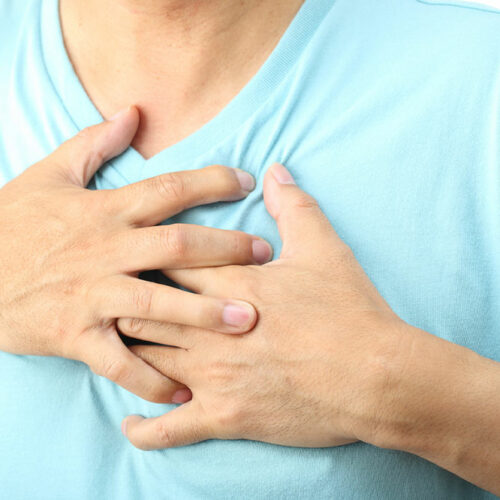
Experiencing pain is a natural part of life as it is the body’s way of telling what is wrong and what needs attention. Pain can be explained via factors like health history, environment, and an accident. It can range from mild to severe; however, if the cause of the pain isn’t evident and it is chronic, there may be underlying factors to manage. The pain’s root cause may also involve a potentially life-threatening health risk. Chest pain Any kind of chest pain tends to be associated with a heart attack, and while this may not always be true, it is important not to let chest pain go undiagnosed. There are other reasons chest pain could occur, including severe acid reflux, also called GERD, a blood clot that may have moved to the lungs or the heart, or other related illnesses. Chest pain could be followed by shortness of breath, difficulty breathing, dizziness, fatigue, heaviness, or tightening of the chest. Seek immediate help from a doctor to get a diagnosis and necessary treatment. Eye pain According to doctors, sudden or acute eye pain could be a sign of a detached retina, internal bleeding, or even acute glaucoma. All these conditions need immediate attention and treatment to avoid any further complications that could lead to loss of vision eventually.

4 mistakes that could make eczema worse

4 mistakes that could make eczema worse
Itchy, dry, inflamed skin is a common symptom experienced by people with eczema. The most prevalent type of eczema, known as atopic dermatitis, affects almost 18 million people in the country, and it causes red, itchy, and scaly areas of skin all over the body. Effective prescription treatments can be employed in treating eczema, but it is also important to safeguard and hydrate a person’s skin throughout the day. Unfortunately, some of our daily lifestyle practices and inclinations may aggravate eczema symptoms. One may not even be aware of the harm they’re causing to their skin. Stay away from these common eczema mistakes to keep your skin moisturized and protected. Four mistakes eczema patients should avoid Here are the four most common mistakes that a person with eczema may make. These mistakes must be avoided to prevent the symptoms from worsening. Choosing the wrong moisturizer Instead of lotions, people with eczema should use moisturizing creams and ointments. The high oil content in creams and ointments enhances their ability to seal in moisture. In contrast, most lotions have greater water content and won’t keep the skin hydrated for as long. In humid conditions, opt for a cream rather than an ointment because the latter tends to trap heat and can make you feel worse.

Signs that can indicate a lung condition

Signs that can indicate a lung condition
Our lungs are constantly at work. They play an important role in critical tasks like inhaling oxygen from our surroundings. Additionally, they perform several indispensable bodily functions, such as supplying the body with oxygen, eliminating excess carbon dioxide, and facilitating speech and smell. Any lung issues can cause considerable discomfort and trigger related problems. Diagnosing lung conditions early can ensure timely intervention. Here are some common indicators of lung diseases. Chronic cough Cough lasting for two months or longer is classified as chronic cough. It can eventually lead to damage of the respiratory system and may indicate lung diseases like asthma, pulmonary fibrosis, and chronic obstructive pulmonary disease (COPD). It is also a common symptom of sinus issues and allergies. Excessive mucus Excessive mucus can be an early sign of respiratory conditions like COPD, cystic fibrosis, NTM lung disease, inflammation of the nasal passage, and bronchitis. One must consult a doctor in case of continuous mucus production over days or the presence of other symptoms like fever, cough, and sinus pain. Shortness of breath Shortness of breath that does not recede for long periods after physical exertion or workout is a cause of concern. This symptom is linked to several respiratory conditions, including asthma, pneumonia, emphysema, COPD, pulmonary fibrosis, and pulmonary hypertension.

10 warning signs of high cholesterol to look out for

10 warning signs of high cholesterol to look out for
High cholesterol is a common condition that can increase your heart disease and stroke risk. It occurs when excessive cholesterol is in your blood, which can lead to buildup in your arteries. This can narrow your arteries and restrict blood flow to your organs, leading to serious health problems. This article will discuss the early signs of high cholesterol and let you take steps to prevent and manage this condition. Chest pain Chest pain is among the most common early signs of high cholesterol, often accompanied by shortness of breath, sweating, or lightheadedness. This occurs when cholesterol buildup in the arteries reduces blood flow to the heart, causing chest pain or discomfort. Chest pain can also be described as pressure, tightness, or squeezing in the chest. Numbness or tingling sensation High cholesterol can also cause a numbness or tingling sensation in the hands and feet. The high cholesterol content in the arteries constricts the blood supply, resulting in nerve damage. A similar sensation is often felt by a burning or prickling feeling. Headaches Headaches can be a sign of high cholesterol, particularly if they are severe or frequent and, most of the time, lead to dizziness or lightheadedness. So, frequent headache episodes because of high cholesterol might call for a doctor’s intervention.

Our
Blog.

9 most common types of depression you should know about

9 most common types of depression you should know about

All of us feel low, upset, and unmotivated at some point in our life, but this isn’t classified as depression. Depression is a mood disorder that overshadows a person’s thoughts, feelings, and actions. Signs and symptoms of this grave disorder can range from feeling hopeless and tired to completely losing the will to live. There are several types of depression and they are listed below so you can understand depression and people suffering from it better. Major Depression (Clinical Depression) The hallmark trait of this type of depression is the constant feeling of sadness or loss of interest in social life or any outside stimuli. It often lasts for two weeks or more in which a person can experience symptoms such as hopelessness, fatigue, and suicidal thoughts. Dysthymia (Persistent Depressive Disorder) Dysthymia lasts for years and can disrupt daily life and interfere with personal and professional relationships. Individuals with dysthymia are often seen as dark, pessimistic, or complainers by others, and they have a hard time being happy in typically pleasant situations. Manic Depression (Bipolar Disorder) People with manic depression experience high degrees of mood swings. Their train of thought can take them from feeling euphoric to feeling suicidal in just a few weeks. It is very common to get into a depressive state before or after the manic episode. Postpartum Depression (Peripartum Depression) This depression episode is characterized by dramatic hormonal changes in women after giving birth. They may tend to experience bouts of sadness and cry anytime. The symptoms usually alleviate after a week or two of giving birth. Seasonal Affective Disorder (SAD) People with this type of depression start experiencing depressive symptoms with a change in seasons. For many, it happens during winter. The individual starts feeling worse as the season progresses and can even have suicidal thoughts.
Read More
Simple and practical guide points for expecting parents

Simple and practical guide points for expecting parents

Pregnancy is a new experience in every couple’s life, and one should understand a few things to ensure that the nine months are smooth and stress-free. Simply being prepared for pregnancy and looking forward to the joy of parenthood is not all there’s to childbirth. As a couple, you must understand, review, and adjust your lifestyle. Expecting mothers become their child’s nurturers and supporters from day one, but the expecting fathers, close relatives, and friends must also understand the key roles they will play right up to the due date. Here are a few simple family and pregnancy guide points to help you and your folks get started: Staying healthy Physical and mental wellbeing is extremely crucial for the expecting mother to ensure both her and the baby’s health. Diet plays a crucial role in this process, as the mother is now providing nutrition for the developing fetus as well as herself. As a family, you can take turns to ensure that the to-be mother is staying physically active, eating healthy and regularly, and not cultivating any bad habits. More importantly, family and loved ones should be prepared for the changes to come in the upcoming trimesters. Coping with changes – what to expect Morning sickness in the first trimester is quite common and can put a woman’s body under tremendous stress. Nausea and vomiting may also cause headaches, but medications cannot always be taken, as they may affect the baby’s health. Hormonal changes during pregnancy can cause extreme mood swings, so everyone around must be prepared to deal with this. Maintaining a healthy relationship with one’s partner and responding to their needs is crucial to ensure a healthy pregnancy, especially after the first trimester, when the baby starts developing quickly. Counseling One of the more crucial aspects of family and pregnancy planning is prenatal counseling.
Read More